The ServiceTitan alternative nobody sells you a seat for.
You bought an enterprise platform and your team lives in maybe a fifth of it. We map that fifth — the dispatch board, the pricebook, job costing, and the three reports your GM opens before 7am — and build it as software you own, with no per-technician licence underneath it.
We rebuilt a $30,000-a-year sales platform as software its owner controls, live in weeks. A trades operations platform is a larger surface, not a different problem.
Two ways to leave ServiceTitan
Move down to a smaller platform.
Less software for less money, still per seat, still on an annual contract, and another migration waiting two years out.
Take the workflow with you.
Enterprise software is priced on the assumption that leaving is unthinkable. That assumption holds right up until leaving is a fixed fee and a few weeks of parallel running.
The proof is one department over
A client was spending $30,000 a year on a platform their team had outgrown in every direction that mattered. We rebuilt the used part as their own software — their workflow, their reporting, their data — and delivered it in weeks with no ongoing licence.
A trades operation is bigger: dispatch, capacity, a pricebook that has to stay honest, technician performance, and job costing that reconciles with accounting. It's more surface area to build, and exactly the same economics on the other side.
See how we build to be owned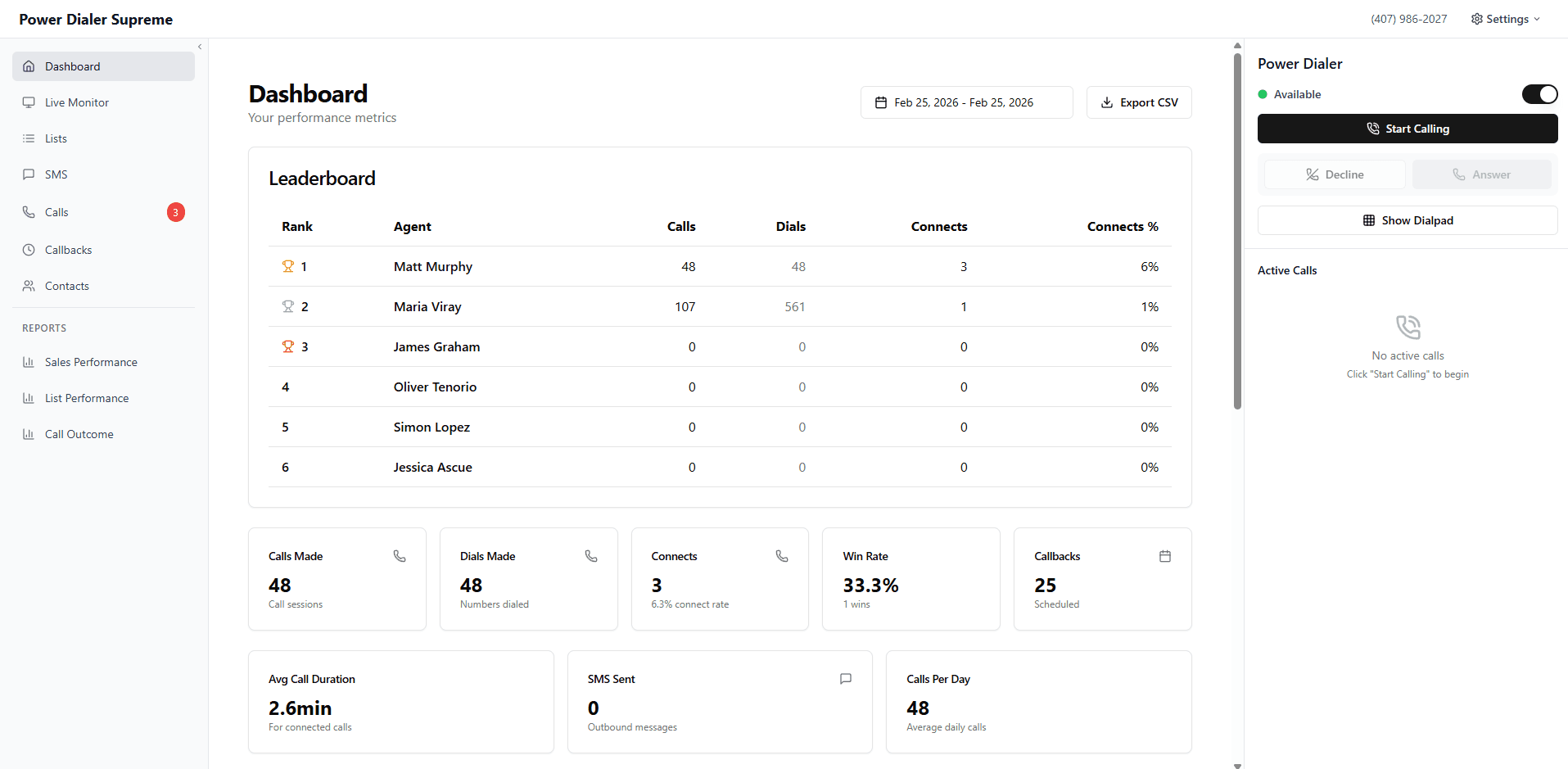
Ownership
Two ways to own it
Both end the same way — with software that belongs to you instead of a login you keep paying for.
Own it outright
One flat build fee. When it ships, the repositories, the accounts, and the documentation are handed to you. Run it on your own infrastructure, hand it to your own developer, change anything you want.
Own it, we run it
The same build and the same handoff, plus optional hosting, fixes, and updates so nobody on your team has to babysit it. Cancel any month you like and keep the software.
Either way, you own the code. The care plan is a convenience, never a leash.
Questions from contractors mid-contract
We're locked into a contract. Does that stop us?
No, it sets the schedule. We build during the remaining term, run both systems in parallel through the last few months, and you simply don't renew. The overlap costs you a fraction of another year.
Can you bring the pricebook and job costing history over?
Yes. The pricebook, customer equipment records, job history and costing data all export and import. We rebuild the reports your team relies on and tie them out against last quarter's numbers before you trust them.
What about accounting and payroll integrations?
Those get built directly against whatever you run, rather than relying on a marketplace connector to keep supporting your version. Your data flows on your terms, into systems you already pay for.
What happens to the parts we choose not to rebuild?
They go away, and that's usually the point. We scope from what your people open every day, not from a feature matrix — the unused modules were part of what you were paying for.
Is this realistic for a hundred-technician operation?
It's a bigger build than a two-truck shop, so the range is wider and the phasing matters more. We usually ship the dispatch and pricebook core first, then move departments across one at a time.
See the range for your sizeAlso paying for Jobber, Housecall Pro or Buildertrend?
Most businesses are renting more than one. The argument is the same every time — and so is the fix.
Jobber alternative
Quoting, scheduling, invoicing — built around how your crews actually run a day, and owned.
Own it insteadHousecall Pro alternative
Booking, dispatch and invoicing for home services, priced once instead of per technician.
Own it insteadBuildertrend alternative
Selections, change orders, draw schedules and a client portal — built the way your firm builds.
Own it insteadSee what your own operations platform would cost.
Five questions about your operation and a real range in about 60 seconds — no email wall, no discovery call to see a number.
Big operation, lots of moving parts? A free 30-minute fit call is the fastest way to find out whether phasing this makes sense.