A Zendesk alternative priced once, not per agent.
Tickets, a shared inbox, macros, an SLA timer, and the one report your ops lead runs on Monday morning. That's what most teams genuinely use — a small enough surface to build properly. Once it's built, an extra agent costs you nothing.
We've already rebuilt a $30,000-a-year subscription as software its owner controls, shipped in weeks. A support desk is the same trade in a different department.
Two kinds of Zendesk alternative
Another help desk, still per agent.
Which means the seasonal problem doesn't go away: you size a plan in July and pay for December's headcount all year.
A desk your company owns.
Support tools are priced against the cost of a support agent rather than the cost of the software. It's a brilliant model — for the vendor.
The proof is in another department
We took a client off a $30,000-a-year platform by building them their own: the features their team used every day, their data, their reporting, delivered in weeks and owned outright with no licence tied to headcount.
Support is a natural next candidate because the core is well understood — an inbox, a queue, assignment rules, canned replies, escalation and a few metrics — and because the parts that differ between companies are exactly the parts a generic desk makes you work around.
See the owned-software case study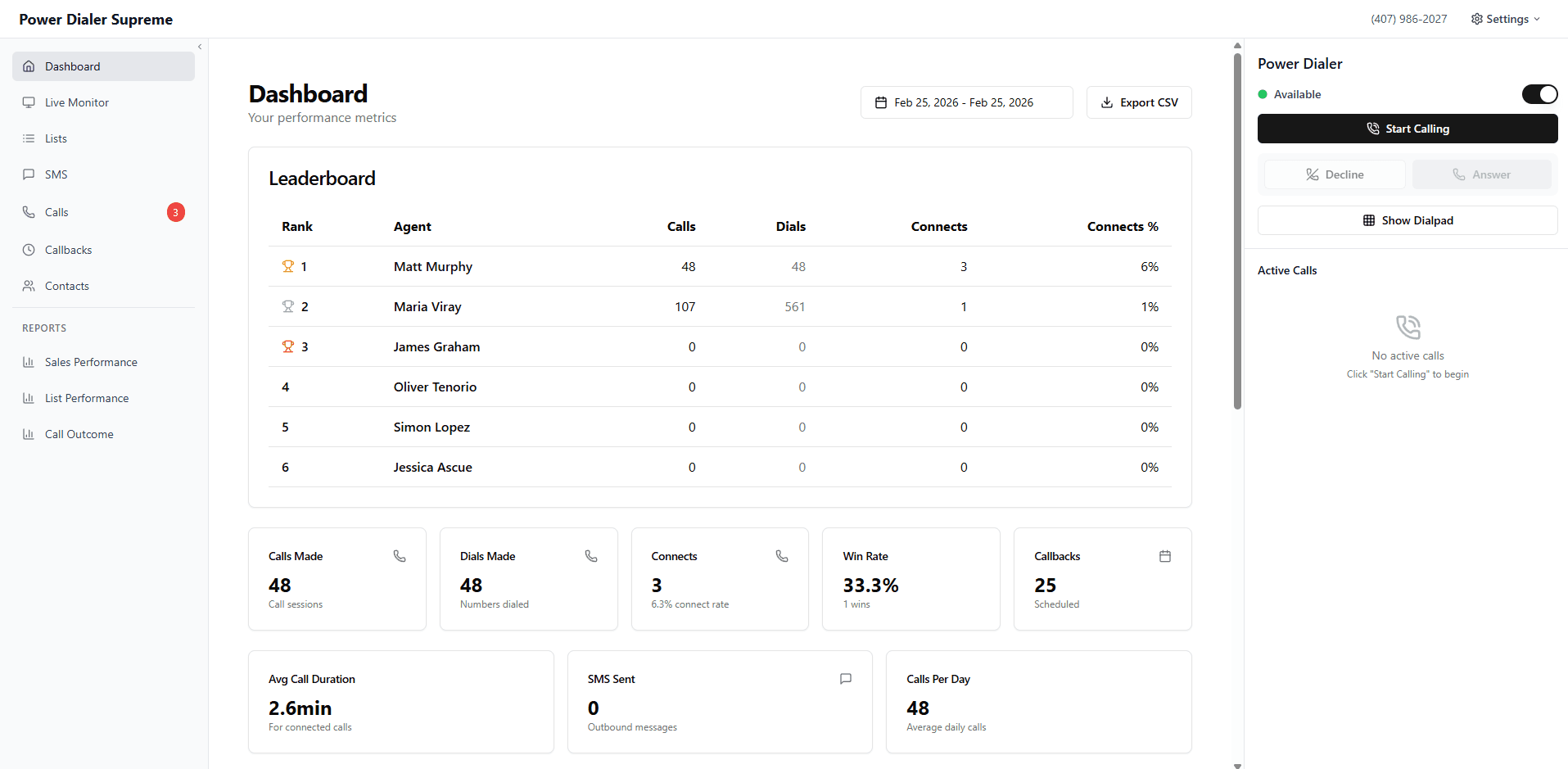
Ownership
Two ways to own it
Both end the same way — with software that belongs to you instead of a login you keep paying for.
Own it outright
One flat build fee. When it ships, the repositories, the accounts, and the documentation are handed to you. Run it on your own infrastructure, hand it to your own developer, change anything you want.
Own it, we run it
The same build and the same handoff, plus optional hosting, fixes, and updates so nobody on your team has to babysit it. Cancel any month you like and keep the software.
Either way, you own the code. The care plan is a convenience, never a leash.
What support leads ask
Can we import ticket history and attachments?
Yes, including attachments and internal notes, so search still works on last year's conversations. We spot-check a sample of imported threads against the originals before anyone relies on them.
Does email still just work?
Yes — forwarding, threading, signatures and aliases all behave the way your customers expect. From the outside, nothing about the switch is visible except that replies keep arriving.
What about the help centre and macros?
Articles migrate, and macros get rebuilt as your own templates. Because you own it, the templates can pull real data from your systems instead of being static text with placeholders someone forgets to fill in.
Can we use AI for triage and draft replies?
Yes, on your own API key with the model provider, so you see the true usage cost and control the prompts. That's typically a paid add-on tier elsewhere and a line-item cost here.
How do we switch without dropping tickets?
Run both. New conversations start in the new desk while open tickets close out in Zendesk, and you cancel when the old queue empties. Nobody is racing a cutover deadline.
Also paying for GoHighLevel, Kixie or Aircall?
Most businesses are renting more than one. The argument is the same every time — and so is the fix.
GoHighLevel alternative
Pipelines, calendars and automations, in an account that belongs to you rather than to a platform.
Own it insteadKixie alternative
The one we have already shipped: a $30,000-a-year Kixie plan, replaced by a dialer the client owns.
Own it insteadAircall alternative
Cloud phone systems all price per user, per month. Yours doesn't have to be one.
Own it insteadSee what your own support desk would cost.
Five questions about your volume and your team, and a real range in about 60 seconds.
Or book a free 30-minute fit call — no card needed, and no obligation beyond an honest answer about whether this fits.