The Calendly alternative belongs inside your own app.
A booking link is rarely the whole job. The job is routing to the right person, holding a deposit, sending the reminder that stops the no-show, and landing the booking in the system where the actual work happens. Rented scheduling stops at the calendar invite.
We build the software a booking should feed into — including a $30,000-a-year subscription we replaced with a custom app the client owns.
Two kinds of Calendly alternative
Another booking link.
Slightly cheaper per user, a similar set of limits, and still a separate product bolted onto the outside of your business.
Scheduling built into your software.
Nobody's actual problem is the booking page. It's everything the booking page can't do the moment the meeting is on the calendar.
Scheduling is a feature, not a product
The custom software we build routinely includes booking: availability rules, round-robin across a team, deposits taken at the point of booking, reminders, reschedules and cancellations — sitting directly on the customer record rather than syncing towards it.
The proof that we build this class of software to be owned is a client who was paying $30,000 a year for a platform and now owns theirs outright, shipped in weeks.
See software built to be owned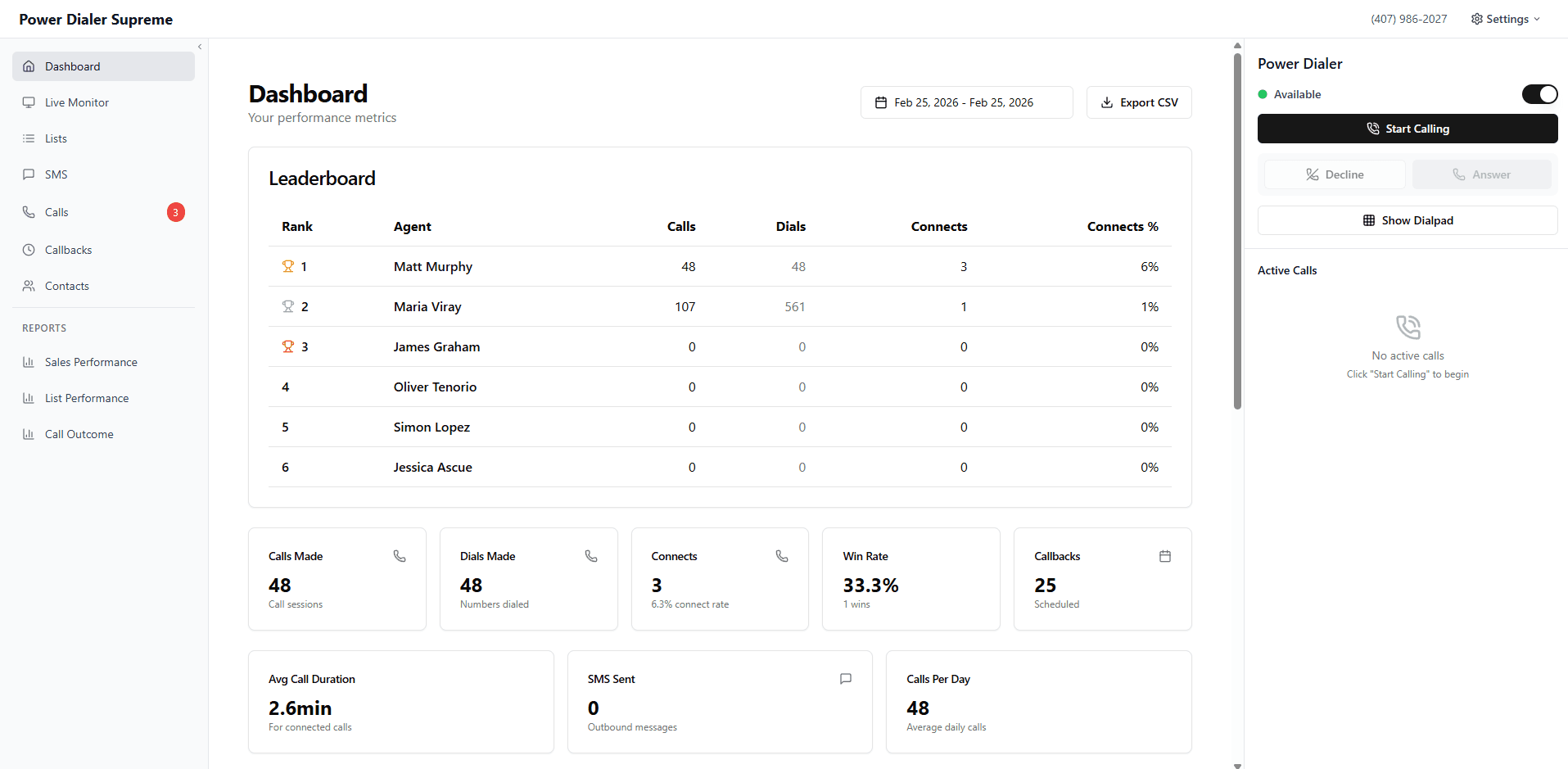
Ownership
Two ways to own it
Both end the same way — with software that belongs to you instead of a login you keep paying for.
Own it outright
One flat build fee. When it ships, the repositories, the accounts, and the documentation are handed to you. Run it on your own infrastructure, hand it to your own developer, change anything you want.
Own it, we run it
The same build and the same handoff, plus optional hosting, fixes, and updates so nobody on your team has to babysit it. Cancel any month you like and keep the software.
Either way, you own the code. The care plan is a convenience, never a leash.
Fair questions, including the awkward one
Is replacing Calendly alone worth building?
Usually not, and we'd rather say so. A booking link on its own is cheap and works. This makes sense when scheduling is one part of an app you were going to build anyway — then having it inside is strictly better than bolting it on.
Owning versus rentingDoes it sync with Google Calendar and Outlook?
Two-way, including busy time from personal calendars, so nobody gets double-booked. Invites come from your own domain rather than a third party's, which also helps them stay out of spam.
Can we take a deposit or payment at booking?
Yes, through your own payment processor. Because the booking lives inside your software, the deposit can be tied to the job, refunded on your rules, and reconciled without anyone exporting a CSV.
What about routing to the right person?
Round-robin, territory, skill or workload — whatever your business actually uses. Routing rules tend to be the first thing a generic scheduler can't express, and the first thing owning fixes.
Can we keep Calendly for one-off personal meetings?
Of course, and plenty of people do. The goal isn't to purge a tool; it's to stop renting the part of it that your business genuinely depends on.
Also paying for Airtable, monday.com or Kixie?
Most businesses are renting more than one. The argument is the same every time — and so is the fix.
Airtable alternative
A base your company would panic to lose isn't a spreadsheet. It's an app you're renting by the editor.
Own it insteadmonday.com alternative
Boards approximate your process. We build the process itself, and the seat count stops mattering.
Own it insteadKixie alternative
The one we have already shipped: a $30,000-a-year Kixie plan, replaced by a dialer the client owns.
Own it insteadSee what the app around your booking would cost.
Five questions, a real price range in about 60 seconds, and no email required to see the number.
Not sure whether it's worth it yet? That's a good reason to book a free 30-minute fit call and get a straight answer.